Featured
Table of Contents
During prolonged direct exposure (PE) a person is gradually revealed to their trauma-related memories, concerns, emotions, and sensations regarding the event(s) to discover that these are no more harmful or need to be prevented. Clients usually satisfy with a therapist when a week for three to 4 months. PE is strongly advised by the American Psychological Organization as a first-line intervention for PTSD.
CPT is taken into consideration a first-line treatment for PTSD and is strongly advised by the APA. Cognitive behavioral therapy (CBT) focuses on thoughts, sensations, and actions, and the connection in between them. A trauma-focused specialist may assist a customer recognize exactly how they are thinking about their trauma and just how to change it into more helpful thinking.
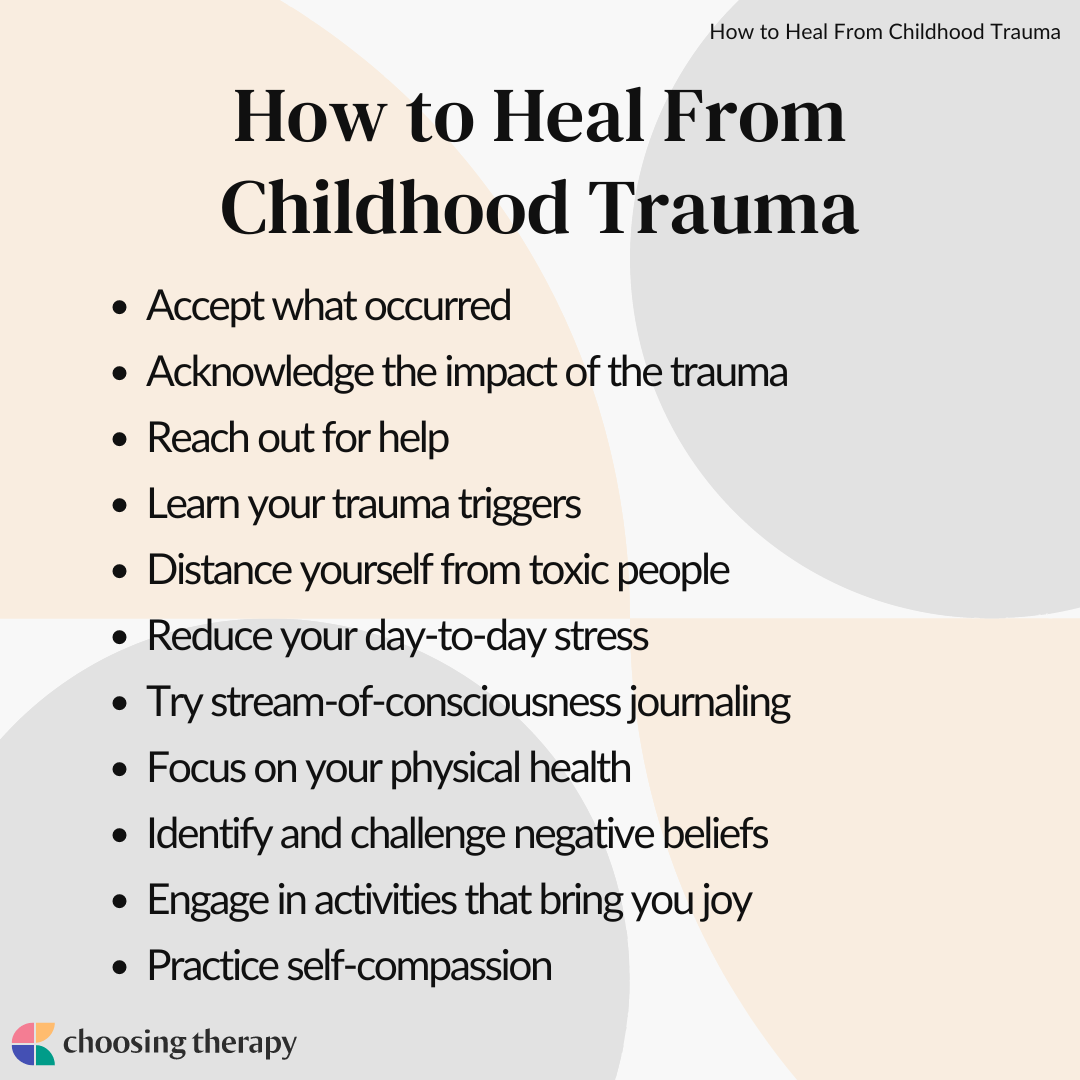
This treatment is strongly suggested by the APA for the treatment of PTSD. Trauma-focused cognitive behavior modification (TF-CBT) attends to the mental wellness needs of grownups dealing with the devastating results of early injury. The treatment is especially delicate to the special troubles of youth with post-traumatic tension and state of mind disorders arising from sex-related abuse, along with from physical misuse, physical violence, or sorrow.
Eye motion desensitization and reprocessing (EMDR) was established as a treatment for PTSD. It involves refining the memory and the way it is stored in the mind, which lowers bothersome triggers and signs and symptoms. During this treatment, various techniques of bilateral simulations can be made use of to focus on memories of the injury.
Spotting Sensory Overwhelm as an Underlying Factor
Composed direct exposure treatment (WET) is a quick, evidence-based behavior psychiatric therapy in which people are gradually subjected. While in standard exposure therapy, the person is exposed to the fear object or experience, in created exposure treatment, the person will writer concerning the trauma memory. In a collection of five brief (50 to 60-minute) sessions, the person will create in information regarding the thoughts and emotions they had at the time of the event.
These can be specifically encouraging when you're concentrated on healing from injury while in a relationship, as they help you manage feelings and construct much safer links. Right here are some corresponding and alternative therapies that might also be handy for people with trauma: techniques incorporate cognitive treatments with somatic strategies that influence the human bio-energy systems such as meridians, chakras and the biofield to boost physical, mental, psychological and spiritual well-being.
Yes, unsettled trauma can cause anxiousness and lots of other unfavorable effects on a person's behavioral, psychological, mental, and physical wellness. To help handle these effects, many undertake injury therapy treatment.
Unsettled trauma in adults may be the result of various events, consisting of grief, car accidents, physical misuse, sexual assault, and spoken abuse. Those situations might not also be occurring to them. Often, also simply witnessing events happen to a person else can be terrible. Unsettled injury and partnerships do not fit with each other well.
Developing Healthy Boundaries Aligned with Genuine Energy
The factor specialist injury therapy treatment is typically important is that people might not even understand they have unresolved injury. Several adults are often amazed by the root causes of their trauma uncovered in professional therapy. Whatever the reason, injury therapy treatment for unresolved trauma can assist you process the difficult experience and change the adverse ideas and behavior patterns that may be enhancing your negative sensations.
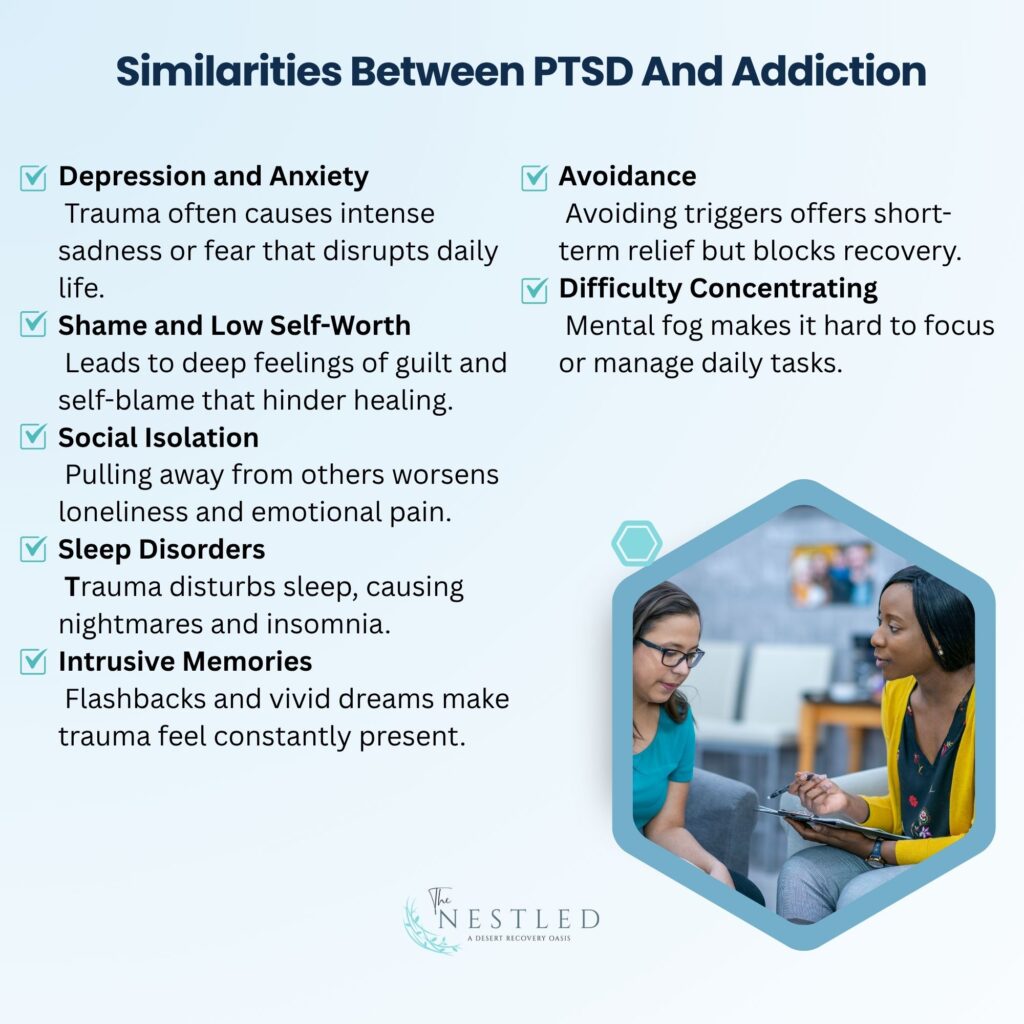
Several unsettled injury signs are invisible, and you may not know that a person is having problem with it unless they directly confide in you regarding it. You might see out for some typical signs of dealing with the results of unresolved injury. These indicators include the following: Evasion or concern of feelings, things, individuals, or areas that can be connected to a traumatic experience Rounds of stress and anxiety or panic strikes due to ordinary circumstances Changes in sleeping pattern Chronic or recurring depression Dissociation in scenarios and conversations Sensations of badness, embarassment, worthlessness, or unimportance Sensations of detachment, isolation, and loneliness Flashbacks, headaches, and memories relating to the distressing experience Hypervigilance Self-harm and self-mutilation Self-destructive ideas or attempts Compound abuse or eating problems in an attempt to numb negative emotions Irrepressible anger If you or somebody you appreciate is experiencing any among these especially if it's happening regularly and is disrupting your life it's time to look for expert help.
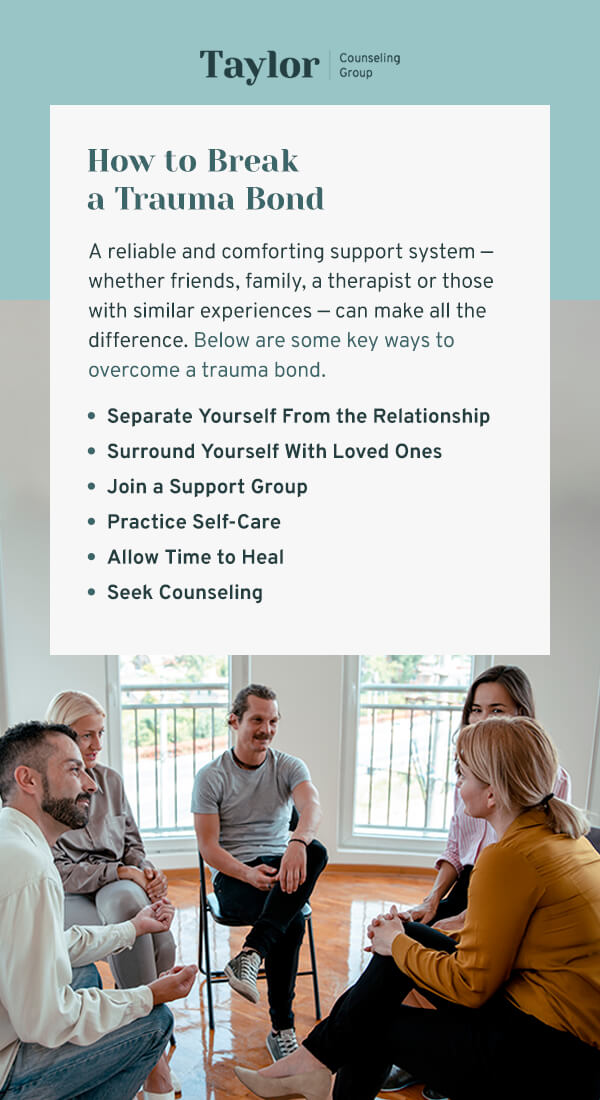
The majority of clients obtain admitted into a trauma therapy treatment program since they intend to manage unsettled trauma and boost connections. Their close connections may have been damaged by the means they've been taking care of their injury without specialist aid. While they will see a renovation in their connections, this modification may take time and not occur right away.
When Anxiety Presents Differently in Neurodivergent Minds
Often, it appears in refined, silent manner ins which shape just how you assume, really feel, and associate with the world. When injury is unsolved, it means the body and mind have not fully incorporated or processed what occurred. You may not even remember the event clearlyor consider it as "that bad"but your worried system still reacts as if the danger is ongoing.
Unresolved injury can push you outside this windowinto (stress and anxiety, anger, hypervigilance) or (pins and needles, closure, tiredness). The trauma might be in the past, however your mind and body may still be supporting for effect. You could assume: "I understand he or she appreciates me, however I maintain waiting for them to leave."Or: "I'm risk-free now, yet I still seem like I'm strolling on eggshells." Not everyone experiences injury the very same way.

Latest Posts
Family-Focused Therapy supporting Anxiety Recovery
Rigid Thinking Patterns in OCD Symptoms
Living Genuinely Beyond Pretending