Featured
Table of Contents
Everybody experiences sorrow differently. Your experience of pain and exactly how you deal with it will depend on various aspects. These might include your age, previous experiences with sorrow and your spiritual or spiritual sights.
Awaiting grief implies feeling sad prior to the loss takes place. As opposed to grieving for the person, that is still with you, you might feel sorrow for the points you will not obtain to do with each other in the future. When encountering a significant loss, such as the fatality of a loved one, it is all-natural to really feel lots of solid emotions.
People identified with a terminal illness and those encountering the fatality of an enjoyed one might experience anticipatory despair., you might experience many feelings including shock, worry and unhappiness.
The Brain Science of PTSD
You grieve shed opportunities or experiences you'll miss out on also little ones, such as the pleasure of the sunlight or a warm cup of coffee. If somebody you like is facing a terminal illness, it is typical to experience awaiting despair in the months, weeks and days before fatality. You might regret the exact same points your liked one is mourning, or different losses altogether.
You might feel that the person you knew is already gone, also if they are still physically there. If your loved one has a decrease in physical wellness or mobility, you may really feel awaiting sorrow as you lose the possibility to share experiences, such as hobbies, holidays or occasions.

This is particularly real if you spend a whole lot of time looking after the individual. You might miss out on tasks you used to enjoy with each other and feel sorrow about the adjustment in your connection. The nature of your partnership might transform as you handle a carer's role, or come to be the one being looked after.
Feelings of sorrow prior to death are typical it's crucial to acknowledge them, and to speak about them. Experiencing anticipatory pain doesn't necessarily imply that you will certainly grieve your enjoyed one any much less after they are gone. Carers of people that are terminally ill may become closer to their loved one, making their feelings of pain after fatality even extra extreme.
Transforming Protector Parts in Healthcare Workers
Lifeline supplies support for people experiencing psychological distress. Past Blue offers details and assistance for individuals experiencing psychological health and wellness difficulties consisting of despair. Griefline Call 1300 845 745 for assistance readily available to adults matured 18 years and over. Mensline gives telephone and online therapy and assistance to men in Australia. Cancer cells Council supplies info and support to people with cancer and their liked ones.
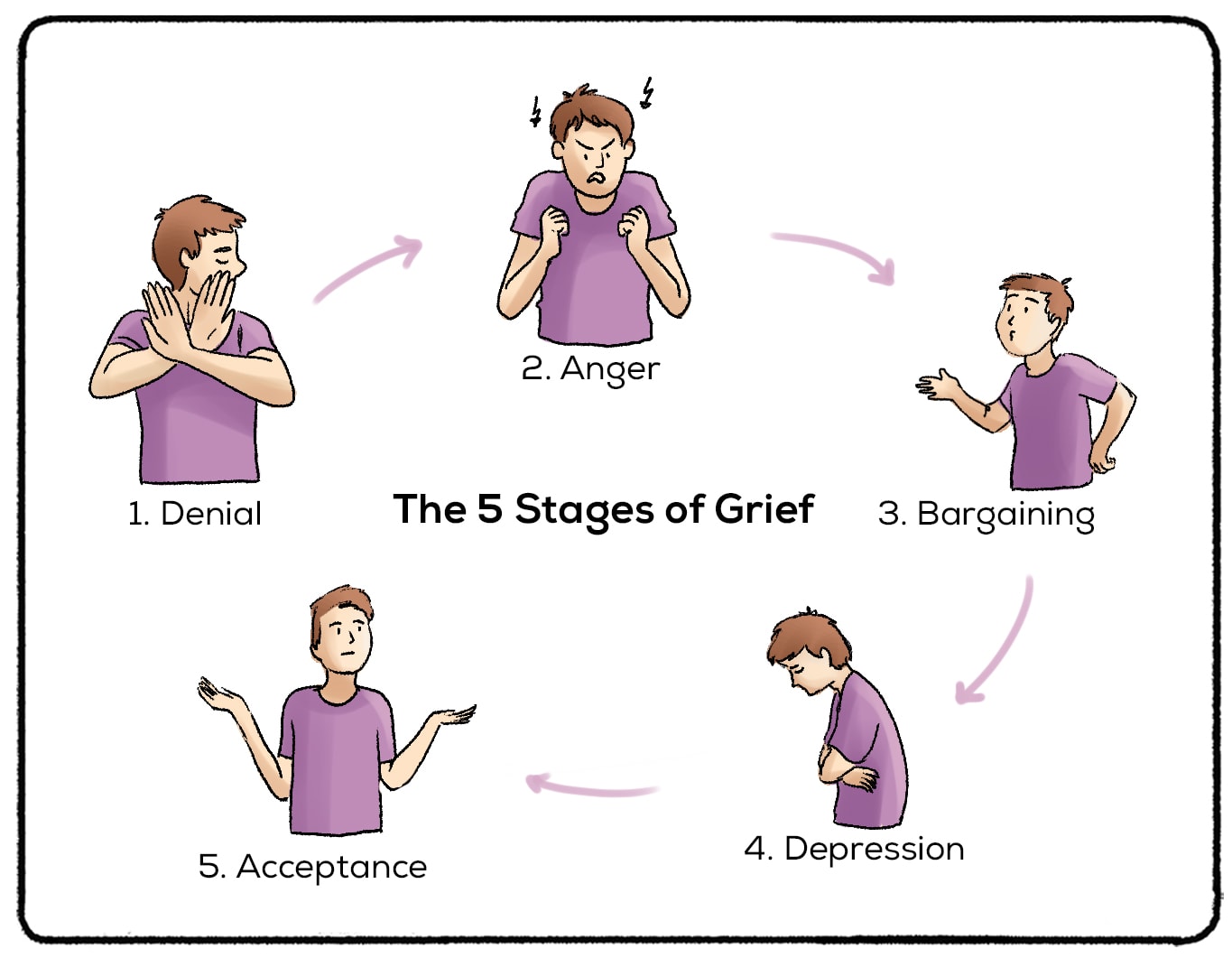
In reality, we do not experience sensations of despair one at a time or in a particular order. You might experience these things due to the fact that they are all typical feelings of sorrow.
Some individuals feel numb after the fatality of a person they cared about. If you experience this, it can be since it's simply as well tough to believe that the individual you recognize so well is not coming back.
Why Healthcare Professionals Experience Mental Health Concerns
Perhaps they assure themselves that they will currently always do (or otherwise do) something, believing that it might make the person who has died returned. Or maybe they think it will certainly quit anybody else passing away or various other bad things happening. This is often called 'wonderful thinking'. Individuals might additionally discover that they keep returning over the past and ask great deals of 'suppose' concerns, wishing that they might return and alter points so that they might have turned out differently.
These sensations can be really intense and agonizing, and they may come and go over lots of months or years. Many individuals locate that agonizing sensations like this ended up being much less solid over time. If you do not feel this holds true for you, after that you should request for aid.
Her version ended up being widely approved as a method to understand pain, however over time, sorrow counsellors and scientists expanded upon it, bring about the development of the. This extended model integrates extra emotional feedbacks that individuals might experience: The initial reaction to loss frequently brings shock and disbelief. This phase works as a protective mechanism, enabling us to soak up the reality of our loss in convenient doses.
Sensations of regret or regret might arisewondering if you might have done something in different ways, or sensation sorrow over things left unspoken. Grief can manifest as angertoward on your own, others, or also the individual that has actually passed.

Latest Posts
Healing Parent-Child Conflicts In Parts Work Therapy
Why Personal and Relational Support Matters in Relationship Recovery
Ending the Pattern of Cultural Trauma in Your Family